Categories
Radical behaviorism

On Dr. Eshlemann’s opposition to probability

Recently an interesting post came to my attention authored by the late Dr. John W. Eshlemann entitled “Junk Behaviorism”. Dr. Eshlemann criticised the phrase that reinforcement increases the probability of behavior while advocating the use of rate of response. As I had previously frequently employed the word “probability” (e.g. Introduction to radical behaviorism (Part 4 – Operant conditioning, new traits/behavior).), I was compelled to reflect on the matter.

A variation of this misconception [lack of clarity about what a reinforcer does] is that “reinforcement” “increases the probability of behavior,” or that it “increases the likelihood of behavior.” While slightly better than the even more ambiguous “increases behavior,” these still qualify as bad phrases; phrases that obscure more than they clarify. In contrast, Skinner was very clear: a reinforcer affects the RATE OF RESPONSE. More specifically, a reinforcer increases the frequency of behavior over time, where frequency refers to, and means the exact same thing as, rate of response.

To get a rate of response you have to COUNT instances of behavior and determine how many there are per unit of time. You need to determine the frequency of behavior and then see whether that frequency changes over time. If it does, and if it increases, then you begin to have some evidence that the event, or thing, functioned as a reinforcer.

In terms of probability and changes to probability, Skinner was always very clear: Probability referred to rate of response. This type of probability addresses the “how often?” question, not the “what are the odds?” question. If we loosely say that the “probability of the behavior increases,” in Skinner’s science we really mean that the response rate increased over time. The count per minute went from one level up to another level. For example, if we start “reinforcing” behavior, it’s frequency might increase from 5 per minute up to 20 per minute. Or, perhaps behavior increases from .1 responses per minute up to .5 responses per minute. If, but only if, those sorts of increases in response rate occur, do we begin to have evidence that we have reinforcement.

Dr. John W. Eshlemann (2008) – Charting versus “Junk Behaviorism” – https://jweshleman.wordpress.com/2008/11/02/charting-versus-junk-behaviorism/

Relation between probability and rate of response

Somewhat contrary to Dr. Eshlemann’s stance, the subject isn’t clear-cut. In Skinner’s works, the word probability appears regularly and often separately from rate of response. After all, not all behaviors appear in repeatable form. Determining the primacy of the two concepts in Skinner’s science was a question previously visited:

In summary, Skinner’s position on the relation between response probability and response rate seems to be that although the two are not equivalent, response probability can be inferred from response rate.

In any event, Skinner remains clear that the concept of probability plays a central role in his science of behavior: “If we are to predict behavior (and possibly to control it), we must deal with probability of response”, and “The end datum in a theory of behavior, in short, is the probability of action”.

Johnson & Morris (1987, p. 117) – When Speaking of Probability in Behavior Analysis

Reinforcement by definition affects the rate of behavior (in specific circumstances, of a specific behavior class). Can we actually gain anything by referring to probability?

Our basic datum is the rate at which such a response is emitted by a freely moving organism. This is recorded in a cumulative curve showing the number of responses plotted against time. The curve permits immediate inspection of rate and change in rate. Such a datum is closely associated with the notion of probability of action.

Ferster & Skinner (1957, p. 18) – Schedules of Reinforcement

Rate of response as the dependent variable

One must consider that a specific rate of response / frequency can actually be selected. In Science and Human Behavior (1953) this idea is presented when speaking about so-called combined schedules, albeit in an ironically unfortunate way (remember behavior is reinforced, not an organism):

We can reinforce an organism only when responses are occurring at a specified rate. If we reinforce only when, say, the four preceding responses have occurred within two seconds, we generate a very high rate.

B.F. Skinner (1953, p. 105) – Science and Human Behavior

Furthermore, in Ferster & Skinner (1957) – Schedules of Reinforcement, there is a whole chapter dedicated to the topic – Chapter 9: Differential Reinforcement of Rate. To illustrate, let’s say we want a rat to push a lever at a rate of 5 times per minute – so if a rat is too fast initially, we reinforce behavior when it slows down. While Dr. Eshlemann mentioned only the possibility of the rate of response increasing, but one would think that he wouldn’t mind us saying that the reduction of the rate of response may also indicate learning.

In this case, rather than rate of response, we may meaningfully employ probability by a careful definition of calculation – e.g. the percent of 1-minute intervals where the rat pressed the lever 5 time.

Celeration charts

I’m in no way arguing against the use of rate of response / frequency – it is by far the most pragmatic datum of behavioral science. Rate of response can be conveniently plotted in celeration charts while probability does not succumb so easily to charting. Now, knowing Dr. Eshlemann’s lifelong work with celeration charts, we might just have an idea what influenced his strongly pragmatic point of view.

https://bluegemsaba.com/standard-celeration-chart/

The spectre of reification

Perhaps, when speaking of probability, we’re dangerously close to committing the error of reification, which is discussed in Johnson & Morris (1987). One should note a similar issue in Cognitive Psychology where behavior can be considered as a referent to some other more important processes:

A focus on behavior must not obscure the fact that even the definition and selection of a behavior unit for study requires grouping and categorizing. In personality research, the psychologist does the construing, and he includes and excludes events in the units he studies, depending on his interests and objectives. He selects a category—such as “delay of gratification,” for example—and studies its behavioral referents.

Mischel (1973, p. 268) – Toward a Cognitive Social Learning Reconceptualization of Personality

Skinner claimed that behavior is no referent but rather itself the object of science. Applying the analogy, shall we claim that the datum is the rate of response and it there is no need to consider it a referent for probability? Or maybe probability is the rare theoretical construct that is allowed in behavioral science?

Rate of responding appears to be the only datum that varies significantly and in the expected direction under conditions which are relevant to the “learning process.” We may, therefore, be tempted to accept it as our long-sought-for measure of strength of bond, excitatory potential, etc. Once in possession of an effective datum, however, we may feel little need for any theoretical construct of this sort. Progress in a scientific field usually waits upon the discovery of a satisfactory dependent variable. Until such a variable has been discovered, we resort to theory. The entities which have figured so prominently in learning theory have served mainly as substitutes for a directly observable and productive datum. They have little reason to survive when such a datum has been found.

It is no accident that rate of responding is successful as a datum, because it is particularly appropriate to the fundamental task of a science of behavior. If we are to predict behavior (and possibly to control it), we must deal with probability of response.

B. F. Skinner (1950, p. 7) – Are Theories of Learning Necessary

In closing, probability may have it’s place in behavioral science, but we should treat it carefully by not distancing ourselves from the object of study that is behavior:

The speaking of “probability” in behavior analysis is no different. In keeping it uncompromised: “There is only one rule, namely: that the descriptions should fit the events being described (Kantor, 1941, p. 48).

Johnson & Morris (1987, p. 125) – When Speaking of Probability in Behavior Analysis

Rate of responding is not a “measure” of probability but it is the only appropriate datum in a formulation in these terms.

B. F. Skinner (1950, p. 7) – Are Theories of Learning Necessary
Categories
Leftist thought Radical behaviorism

Coherence of behavior or how to be more Catholic than the Pope

One issue that behavioristic minded people need to come to terms with is applying the philosophical tenets to one’s own behavior. Simply put, verbal behavior regarding oneself is sometimes caused by other theoretical positions. The inconsistencies might be noticed individually as well as be pointed out by others. What is a behaviorist to do after realising that coherence was not maintained?

A direct confrontation with the current issue occurred in the debate between the renowned humanist psychologist Carl Rogers and the familiar B. F. Skinner. As recounted by Rogers:

One story I want to tell that also bears on that same issue, I believe… For more than a year now I wanted to ask Dr. Skinner about this. We were both at a conference in Boston, little more than a year ago, I think. It was quite a while ago. He had given his paper on the design of cultures and then had commented on that. After hearing his comments, I directed these remarks to him. I will read this from the tape-recorded discussion:
From what I understood Dr. Skinner to say, it is his understanding that though he might have thought he chose to come to this meeting, might have thought he had a purpose in giving this speech, such thoughts are really illusory. He actually made certain marks on paper and emitted certain sounds here simply because his genetic make-up and his past environment had operantly conditioned his behavior in such a way that it was rewarding to make these sounds; and that he as a person doesn’t enter into this. In fact, if I get his thinking correctly, from his strictly scientific point of view, he as a person perhaps doesn’t exist. I thought I would draw him out on a subjective side of why he was there but to my amazement he said he wouldn’t go into the question of whether he had any choice in the matter and added: “I do accept your characterisation of my own presence here”. [audience laughter]
I wondered ever since…

Carl Rogers (1976) – B. F. Skinner – Carl Rogers Dialogue Debate

Here, we have an example on how to gracefully accept the implications of behaviorist philosophy regarding one’s own circumstance. More generally and from personal experience, one shall find it amusing to wholeheartedly accept behavioristically consistent conclusions pointed out by interlocutors from external circles. After all, noticing and noting individual environmental and historical variables is a necessary condition for change of said variables and thus effective behavioral control.

Issues of internal consistency of behavior do not occur solely in the context of radical behaviorism. The general political left is notorious for it’s own internal squabbles and theoretical debates. Even the author of the most famous theory of the left (according to Richard Wolff) suffered his share of criticism:

Karl Marx was erratic. He changed his mind all the time, infuriating his friends and comrades. He wrote furious repudiations of his earlier ideas. And he could not stand those who called themselves… Marxist (e.g. famously saying ‘If they are Marxists, I am not’).

Yanis Varoufakis (2022) – Yanis Varoufakis on Crypto & the Left, and Techno-Feudalism

The question here is – how to be more Marxist than Marx himself? The follower and developer of Marxist thought Rosa Luxemburg voiced her opinion:

Not socialist theory or tactics, but the burning political exigencies of German democracy at the time – the practical interests of the bourgeois revolution in Western Europe – determined the viewpoint that Marx, and later Engels, adopted with respect to Russia and Poland. Even at first glance this standpoint reveals its glaring lack of inner relation to the social theory of Marxism. By failing to analyze Poland and Russia as class societies bearing economic and political contradictions in their bosoms, by viewing them not from the point of view of historical development but as if they were in a fixed, absolute condition as homogeneous, undifferentiated units, this view ran counter to the very essence of Marxism.

Rosa Luxemburg (1909, p. 14-15) – The National Question

The indictment is clear – Marx diverged from Marxist thought! In the context of verbal behavior, however, the concepts Marxism, Radical Behaviorism etc. are emitted under specific circumstances due to a particular history of conditioning. The fact that Marx’s behavior changed throughout his life poses no theoretical difficulty. In practice, nevertheless, past accomplishments cannot shield one from all criticism. Pure semanticists searching for the true “meaning” of Marxism shall not be pleased.

Retaining behavioral coherence might sometimes be regarded as staying true to oneself and others. Proper analysis will provide us with all relevant factors causing the current circumstances and behaviors. Furthermore, it is the only way to avoid oversights illustrated by the comic:

https://www.reddit.com/r/socialism/comments/6c73ea/i_got_rich_through_hard_work/

In summary, effective behavior requires identification of its reasons. If someone points out that one is inconsistent, that one employs labels, that one disregards historical variables, at worst calls one a hypocrite by not applying the espoused principles to oneself – one is to politely thank the other party for drawing attention to the issue.

Categories
Radical behaviorism Reviews

Deflating neurohype

Here I shall highlight two books that I recently read which share a common theme – criticism of the improper aggrandizement and misapplication of findings in brain-imaging studies. The books are:

  1. Satel & Lilienfeld (2013) – Brainwashed: The Seductive Appeal of Mindless Neuroscience
  2. Raymond Tallis (2011) – Aping Mankind: Neuromania, Darwinitis and the Misrepresentation of Humanity

Important to note is that I have already discussed a related topic in Schizophrenia of our times – my brain and me. One shall also notice that some points covered in this post may resemble arguments in How Emotions Are (Not) Made where Lisa Feldman Barrett (2017) – How Emotions Are Made is reviewed. The topic is worth revisiting due to the spread of “brain”, “synaptic”, “neuro-transmitter” and similar “neuro” phrases in any kind of context and in everyday language.

A pseudo-materialistic fad in psychological “science”

The main crux of both works is to express doubt regarding the applicability of brain imaging studies in explaining human behavior and reveal shortcomings thereof. Satel & Lilienfeld demonstrate a controlled and polite disagreement with conclusions derived from brain scan studies:

Scans alone cannot tell us whether a person is a shameless liar, loyal to a product brand, compelled to use cocaine, or incapable of resisting an urge to kill. In fact, brain-derived data currently add little or nothing to the more ordinary sources of information we rely on to make those determinations; mostly, they are neuroredundant. At worst, neuroscientific information sometimes distort our ability to distinguish good explanations of psychological phenomena from bad ones.

Satel & Lilienfeld (2013, p. 150) – Brainwashed

Raymond Tallis is more candid as he calls the brain-imaging trend Neuromania. In his book he also criticises the inadequacy of strictly evolutionary and genetic theories when explaining behavior – this is what he refers to as Darwinitis. One will find well-deserved jabs at famous advocates of biologism – including Sam Harris, Richard Dawkins, Steven Pinker, Daniel Dennett etc.

Within the secular world picture, Neuromania and Darwinitis are the biggest piles of rubbish. (p. 12)

[Neuro-talk] is often accompanied by a picture of a brain scan, that fast- acting solvent of critical faculties. (p. 73, from Crawford, “The Limits of Neuro-Talk”)

And a more recent, admirably painstaking, review concludes that “the reliability of fMRI scanning is not high compared to other scientific measures”; moreover, there is no agreement as to what would count as a measure of reliability; and, finally, reliability is even worse in studies of higher cognitive tasks (experiencing beauty, deploying wisdom, being stupid) than in the case of simple motor or sensory tasks – in short, in the case of those papers that have made the popular press go pop- eyed with excitement. (p. 81)

Unfortunately, some of these deicides – notably Sam Harris and Richard Dawkins – do indeed have their own fundamentalism, namely biologism. (p. 321)

Raymond Tallis (2011) – Aping Mankind – Neuromania, Darwinitis and the Misrepresentation of Humanity

Voodoo correlations

Edward Vul is best known for his work in discovering fallacious statistical methods used in fMRI studies – the results of which he initially denoted as “voodoo correlations”. His papers have caused reverberations throughout the neuroscientific community and the effect is proved by the fact that he is mentioned in both of the books:

In a “bombshell” paper, as a fellow neuroscientist put it [Jon Bardin], MIT graduate student Edward Vul concluded that something was deeply wrong with how many brain-imaging researchers were analyzing their data.

Many aspects of Vul’s critique are technical, but his basic point is easy to grasp: If you search a huge set of data— in this case, tens of thousands of voxels— for associations that are statistically significant and then do more analyses on only those associations, you are almost guaranteed to find something “good.” (To avoid this mistake, the second analysis must be truly independent of the first one.) This error is known variously as the “circular analysis problem,” the “nonindependence problem,” or, more colloquially, “double-dipping.”

Satel & Lilienfeld (2013, p. 20-21) – Brainwashed

I am not alone in questioning the validity of an approach that identifies activity in certain parts of the brain with aspects of the human psyche. In a controversial, but to me compelling, paper published in 2009 (originally provocatively entitled “Voodoo Correlations in Social Neuroscience”), the authors found serious problems with the localisations observed in such studies. The authors concluded that “in most of the studies that linked brain regions to feelings including social rejection, neuroticism and jealousy, researchers … used a method that inflates the strength of the link between a brain region and the emotion or behaviour”.

Raymond Tallis (2011, p. 80) – Aping Mankind – Neuromania, Darwinitis and the Misrepresentation of Humanity

The brain (dis)obeys the law?

Authors of both books notice worrying applications of neuroscience in legal matters. Lucrative opportunities arise for vested interests here, but that is not a good reason to promote shaky science, especially in such a high stakes field as law:

Along similar lines, when psychologist Deena Weisberg and colleagues inserted the phrase “brain scans show” into illogical explanations of behavior, those explanations became more compelling to neuroscience nonexperts (but not neuroscience experts). Taken together, these findings raise the possibility that neuroimagery—sometimes humorously called “brain porn”—and neurolanguage can seduce jurors and others into drawing erroneous conclusions.

Satel & Lilienfeld (2013, p. 114) – Brainwashed

If I claim that, say, balance between the activity in the frontal lobes and in the amygdala is abnormal, this must be judged against a normal population, as must always be the case when we determine the normal range for a particular measure. There has been a pitifully small amount of work done to establish norms and the numbers of subjects studied would not be sufficient to validate a clinical test. (p. 309)

The moral and legal assessment of our behaviour is, therefore, best conducted by the less glamorous process of history-taking than by brain scans that simply give snapshots of a small part of brain activity in response to very simple stimuli. (p. 312)

Raymond Tallis (2011) – Aping Mankind – Neuromania, Darwinitis and the Misrepresentation of Humanity

Additionally and curiously, when discussing the application of neuroscience in law, Tallis develops a similar argument to B.F. Skinner’s Beyond Freedom and Dignity regarding the praise and blame of behavior:

The philosophy behind this plea is, of course, applied patchily. “My brain made me do it” is usually invoked to excuse actions that will attract moral disapproval or legal sanction. People don’t normally deny responsibility for good actions or for neutral actions such as pouring out a cup of tea at a tea party or just getting a breath of fresh air after a long time at the computer. I am more likely to say “My brain made me do it” when I drink fourteen pints of beer in a pub and then reduce the establishment to rubble because I have been denied a fifteenth than when I have one pint of beer and talk to my friends about epistemology. In other words, there tends to be a bit of pick and mix: strong grounds, I would say, for treating this particular plea of mitigation with some suspicion – suspicion we need to keep in play when we consider recent developments in “neuro-law”.

Raymond Tallis (2011, p. 307) – Aping Mankind – Neuromania, Darwinitis and the Misrepresentation of Humanity

Although people object when a scientific analysis traces their behaviour to external conditions and thus deprives them of credit and the chance to be admired, they seldom object when the same analysis absolves them of blame. (p. 78)

A concern for exoneration is indicated by the fact that we are more likely to appeal to genetic endowment to explain undesirable results than positive accomplishments. (p. 80)

B.F. Skinner (1971) – Beyond Freedom and Dignity

Dismissal of behaviorism

A staple in many mainstream psychological works is to comment how the field has outgrown behaviorism in the middle of the 20th century. Both books are no exception as they dismiss behaviorism out of hand as if it was a failure:

In fact, some experts talk of neuroscience as if it is the new genetics, that is, just the latest overarching narrative commandeered to explain and predict virtually all human behavior. And before genetic determinism there was the radical behaviorism of B. F. Skinner, who sought to explain human behavior in terms of rewards and punishments.

Satel & Lilienfeld (2013, p. xviii) – Brainwashed

The word “reward” betrays a lack of basic knowledge of Skinner’s philosophy and science – anyone sufficiently familiar with radical behaviorism in a scientific discussion will opt for the term “reinforcement”.

The computational theory is particularly associated with cognitive psychology, which arose initially as a reaction against behaviourism. Behaviourism had tried to eliminate the mind, in a bid for psychology to be taken seriously as fully fledged science. Psychology, the behaviourists argued, should confine itself to the objective and the measurable; to quantifiable inputs or stimuli and quantifiable outputs, responses or behaviour. Anything between inputs and outputs was inaccessible to proper scientific study. This methodological decision gradually drifted into the assumption that there was nothing important between inputs and outputs. (p. 40)

To be fair, cognitive psychology was a welcome corrective to the lunacy of behaviourism. Behaviourism denied that there was anything of much interest to scientific psychology in human beings between their perceptual input and their behavioural output, between stimulus and response. (p. 191)

Raymond Tallis (2011) – Aping Mankind – Neuromania, Darwinitis and the Misrepresentation of Humanity

Tallis also demonstrates that he is not acquainted with proper behavioral science. His criticism only applies to the methodological behaviorism of Watson. A lack of training in Skinner’s science allows the author to arrive at a comical conclusion:

Libet’s experiment illustrates how the (neuro-)determinist case against freedom is based on a very distorted conception of what constitutes an action in everyday life. If you want to make voluntary actions seem involuntary, the first thing to do is to strip away their context – the relevant portions of the self-world that make sense of, and motivate, them – and then effectively break them down into their physical elements.

Raymond Tallis (2011, p. 249) – Aping Mankind – Neuromania, Darwinitis and the Misrepresentation of Humanity

The opposite is in fact true – stripping away context actually results in the impression that behavior originates from the actor:

The conspicuousness of the causes is at issue when reflex behavior is called involuntary—one is not free to sneeze or not to sneeze; the initiating cause is the pepper. Operant behavior is called voluntary, but it is not really uncaused; the cause is simply harder to spot. The critical condition for the apparent exercise of free will is positive reinforcement, as the result of which a person feels free and calls himself free and says he does as he likes or what he wants or is pleased to do.

B.F. Skinner (1974, p. 52) – About Behaviorism

The distinction between voluntary and involuntary behavior bears upon our changing concept of personal responsibility. We do not hold people responsible for their reflexes—for example, for coughing in church. We hold them responsible for their operant behavior— for example, for whispering in church or remaining in church while coughing. But there are variables which are responsible for whispering as well as for coughing, and these may be just as inexorable. When we recognize this, we are likely to drop the notion of responsibility altogether and with it the doctrine of free will as an inner causal agent.

B.F. Skinner (1953, p. 115-116) – Science and Human Behavior

Liberalism

Interesting criticisms of neuroscience notwithstanding, the authors suffer from a lifetime of idealistic conditioning. No wonder that politically liberal views based on “individual choice” and “free will” are espoused:

As long as human beings possess conscious mental states that can bring about behavior and self- control, then the law in particular and our moral sense in general need not be radically revised.

Satel & Lilienfeld (2013, p. 137) – Brainwashed

He [John Stuart Mill] agreed that, yes, we have to obey the laws of nature; indeed, there is no choice. But we should appreciate that, at any given juncture, there is more than one law of nature operating. By aligning ourselves with one law, we can use nature to achieve ends not envisaged in nature. (p. 259)

In other words, even in the case of clear-cut brain causes of abnormal behaviour, there is sometimes the possibility of controlling that behaviour or its consequences. This is equally true in cases of addiction. By the time you have reached the fifteenth pint, your sozzled brain may be calling the shots. But it was you who handed yourself over to your brain, either on that occasion, or on the many occasions before you became an alcoholic, when you chose to drink unwisely. (p. 311)

Raymond Tallis (2011) – Aping Mankind – Neuromania, Darwinitis and the Misrepresentation of Humanity

How is one to see one’s own biases?

Let’s visit a couple more exemplary problems found in psychological literature. One is regarding “untheoretical” definitions:

In the end, the most useful definition of addiction is a descriptive one, such as this: Addiction is a behavior marked by repeated use despite destructive consequences and by difficulty quitting notwithstanding the user’s resolution to do so. This “definition” isn’t theoretical; it explains nothing about why one “gets” addiction—and how could it offer a satisfying causal account when there are multiple levels at which the pro cess can be understood? Our proposed definition merely states an observable fact about the behavior generally recognized as addiction. That’s a good thing because a blank explanatory slate (unbiased by biological orientation or any other theoretical model) inspires broad- minded thinking about research, treatment, and policy.

Satel & Lilienfeld (2013, p. 70) – Brainwashed

The claim of providing an unbiased definition of addiction can be deemed as naive. First of all, it includes ambiguous concepts such as destructive and repeated. Secondly, the reified construct resolution is employed. How does one even define this word? Finally, addiction would be more usefully understood not as a behavior, but as a collection of specific environmental conditions, contingencies and behavior.

Another issue is overwhelming idealism. Tallis neatly demonstrates the inability to effectively tackle questions regarding private behavior. This results in the mystification and glorification of some concepts such as consciousness, intentionality, qualia, aboutness etc:

The complex consciousness of self-aware human beings brings tenses into the world and makes the happenings of the material world the contents of the present tense. Only by overlooking this human basis of tensed time can memory as we experience it be assimilated to learning, learning assimilated to behavioural changes and behavioural changes reduced to altered properties of a piece of matter such as a brain.

Raymond Tallis (2011, p. 132) – Aping Mankind – Neuromania, Darwinitis and the Misrepresentation of Humanity

I can only comment here that woe is Tallis for not knowing that a reinforced organism is a changed organism. He claims that consciousness explains behavioral changes. But does this also apply for genetic variation?

The king stays naked

I have to admit that the two books are a part of a useful trend of skepticism and resistance to the new orthodoxy of neuro-brain biological science. The criticisms though valid, don’t seem to guide the authors into more fruitful endeavors, i.e. towards a pragmatic philosophy of behavior. It just goes to show how little of a reach radical behavioristic philosophy has.

Categories
Radical behaviorism

Why do birds build nests?

A proper scientific philosophy of behavior may allow one to tackle traditionally inexplicable and impenetrable questions. One example thereof is nest building in animals – chiefly but non-exclusively in birds. How does such a seemingly complex set of behaviors arise in every generation despite no explicit learning? Radical behaviorist theory will lead the explanatory way.

Traditional notions

Judging by the first paragraph, one might get an impression that there is a dearth of explanations for nest building. Of course, that is not the case as many variations may be found. Nevertheless, after getting acquainted with widely espoused arguments, one will be left wanting for more.

Most reasoning in the current topic is fallacious and marred by teleological overtones. It might be said that birds build nests “to lay eggs and keep them safe, to protect against predators, to raise chicks, to improve survival chances”. The words “to” or “in order to” should raise alarm bells for any scientifically minded person as these are references to the future result and thus cannot possibly be an explanation for current behavior.

Another explanation is to refer to the “nest building instinct” or “nesting instinct” that the animal supposedly possesses. We will see shortly why this reasoning is circular and fictitious. A more sophisticated sounding variation here is to speak of genetic memory. Complicated as it may sound, it does only restate the initial problem in other words without invoking any explanations for the behavior. Let’s see what behaviorist theory has to offer.

Science of behavior to the fray

Let’s enjoy B.F. Skinner’s thoughts on the subject from the 1974 book About Behaviorism, in Chapter 3 Innate Behavior, section Intermingling of Contingencies of Survival and Reinforcement:

Imprinting. Operant conditioning and natural selection are combined in the so-called imprinting of a newly hatched duckling. In its natural environment, the young duckling moves toward its mother and follows her as she moves about. The behavior has obvious survival value. When no duck is present, the duckling behaves in much the same way with respect to other objects. (In Utopia, Thomas More reported, the chicks hatched in an incubator followed those who fed and cared for them.) Recently it has been shown that a young duckling will come to approach and follow any moving object, particularly if it is about the same size as a duck – for example, a shoe box. Evidently survival is sufficiently well served even if the behavior is not under the control of the specific visual features of a duck. Merely approaching and following is enough.
Even so, that is not a correct statement of what happens. What the duckling inherits is the capacity to be reinforced by maintaining or reducing the distance between itself and a moving object. In the natural environment, and in the laboratory in which imprinting is studied, approaching and following have these consequences, but the contingencies can be changed. A mechanical system can be constructed in which movement toward an object causes the object to move rapidly away, while movement away from the object causes it to come closer. Under these conditions, the duckling will move away from the object rather than approach or follow it. A duckling will learn to peck a spot on the wall if pecking brings the object closer. Only by knowing what and how the duckling learns during its lifetime can we be sure of what it is equipped to do at birth.

B.F. Skinner (1974, p. 40) – About Behaviorism

So we have to grapple with the fact that there are numerous instances of environment change that may reinforce behavior – what type of changes do so depend on the contingencies of survival of the species (or genetic history). Now, we can focus more specifically on instincts and nests. Here thoughts by Stephen Ledoux will enlighten us (published in 2013 in the Journal of Behaviorology, originally expressed in 1988):

Let me give an example. People often think of birds, and I pick another species, because it’s important to realize that we are not studying only human behavior, although that is our main concern at this point. But, for instance, people often look at birds and say gee birds have a nest–building instinct. Why do they build nests? Because they have a nest building instinct. How do you know they have a nest building instinct? Because they build nests. There is a certain circularity there, which is a problem. What we would prefer to say is that birds are pre–wired, in other words, their genetic structure is such that they are susceptible to having their actions of nest building reinforced by stimulus complexes such as those tightly intertwined twigs and weeds, which would not affect us at all. We could care less whether the weeds were intertwined. Doing the actions of building that nest is reinforced by that complex, and what that means is, the bird makes those actions more, and ends up building a nest. In a sense we would also look at the evolutionary history. Birds that didn’t build, or (no). Birds that were not adequately reinforced by the tightness of the sticks and weeds in their nests, built sloppy nests, and their eggs fell out, and that genetic pre–disposition did not get passed on. Those birds died out.

Stephen Ledoux – August 1988 Public Radio Interview of the Organizers of the First Behaviorology Convention (including Lawrence Fraley, Pat McKeown, Ernest Vargas and Julie Vargas) in Journal of Behaviorology (2013) 16(1) p. 17

At this point we know that if an organism displays any behavior, both contingencies of survival and contingencies of reinforcement affected the organism in particular ways for it to happen. As Skinner and Ledoux explained, almost any behavior might be reinforced with particular environmental changes where the organism is susceptible to reinforcement. The environmental changes might be increasing glucose levels in the bloodstream (eating), an approaching object (imprinting), building materials or intertwining twigs (nest building).

To put this point to rest, let’s visit thoughts from a couple of papers:

Paper strips served as an adequate reinforcement for the acquisition and maintenance of fixed-ratio barpressing in two pregnant rats. Prior to parturition, only a small daily nest was built and barpressing ocurred only in the dark part of the lighting cycle. Following parturition, barpressing for nesting material greatly increased, and sustained periods of responding alternated with nest-building and pup-care activities.

Oley & Slotnick (1970, p. 41) – Nesting material as a reinforcement for operant behavior in the rat

Nest building in mice has been shown to support key pressing (Roper, 1973b, 1975), but only under conditions in which the animal was able to perform the whole nest building sequence. (p. 42)

The most likely explanation of the decline in carrying is that it is inhibited by feedback from the nest or from nest building activities. It was not caused by the physical impossibility of getting more paper into the nest box, since the latter was rarely more than half filled, and I have observed the accumulation of much larger nests in pregnant animals. Since mice which have just completed a nest can be induced to recommence building immediately by removal of the nest (Roper, unpublished), it seems likely that the nest itself is a source of inhibitory feedback. (p. 53)

Roper (1976) – Self-Sustaining Activities and Reinforcement in the Nest Building Behaviour of Mice

Speaking more generally, we may acquaint ourselves with the classic 1950 paper by Paul Meehl where he provides analysis regarding the Law of Effect, which Skinner eventually named selection by consequences. Meehl argues that the idea of The Law of Effect includes no circularity and proposes both The Weak Law of Effect and The Strong Law of Effect:

e. Experimental Propositions: Sunflower seeds may be used to strengthen lever pressing, chain pulling, etc. In general, sunflower seeds may be used to strengthen all learnable responses in the rat. (This asserts the generality of the reinforcing effect of sunflower seeds and is what I am calling a trans-situational reinforcer law.)
f. Definition: A trans-situational reinforcer is a stimulus which will strengthen all learnable responses. <..> This definition with the immediately preceding experimental propositions enables us to say, “Sunflower seeds are a trans-situational reinforcer.”

g. Experimental Proposition; All reinforcers are trans-situational. (The Weak Law of Effect.)
h. Experimental Proposition: Every increment in strength involves a trans-situational reinforcer. (The Strong Law of Effect.)

Meehl (1950, p. 73) – On the Circularity of the Law of Effect

In other words:

  • The Weak Law of Effect – All reinforcers can strengthen a variety of behavior.
  • The Strong Law of Effect – All “learned” changes in behavior involve reinforcers (learned meaning behavioral change not due to trauma for example).

Conclusion

Once again, we see the value of radical behaviorist analysis. Even if we don’t know the reasons for a specific instance of behavior, we are now equipped to look at the right place – contingencies of survival and contingencies of reinforcement (or the history of the species and the individual).

Categories
Leftist thought Radical behaviorism

Particulars of the word “choice”

Operating by the niche yet ambitious radical behaviorist philosophy, one is apt to recognize philosophical and scientific issues with some widely employed words. Numerous examples may be identified but none shall prove to be as problematic as the peculiar “to choose”. Let’s dedicate the present post to analyse the word and hopefully take a step in removing the word completely from our collective lexicon.

Voidness of meaning

Firstly, we can view to choose from the radical behaviorist perspective. The word appears in the same situations where other phrases signifying behaving or acting or doing something prop up. Choosing peculiarly does not add power to a statement – when I say that “I choose to write the sentence in a particular way”, I might as well simplify that “I am writing the sentence in a particular way”. Behavioral analyses and translations of verbal statements are abound in Skinner’s About Behaviorism (1974) and the present word is not skipped:

Willing is close to choosing, particularly when the choice is between acting or not acting; to will or to choose is evidently as unheralded as to act.

B.F. Skinner (1974, p. 51) – About Behaviorism

The word choose, does not add anything to a sentence except for throwing a mystifying veil over the reasons of an action. From a standpoint of communication it duplicates other words and thus is useless. It can succesfully be removed or replaced in most cases without losing any power to shape behavior of others.

Unscientific

The cornerstone of science – determinism – is abruptly lost when choosing is employed. Suddenly the analysis of preceding variables and environmental conditions are not sufficient as choice is allegedly no function of mundane working.

The unscientific nature of choice stems as well from its ultimate effects on the listener. In popular as well as in psychological discourse, it is accepted that when choice is referred to, the causes for behavior are internal in the acting agent. This successfully arrests any further inquiry into the reasons for behavior as it is implied that the reason has been identified. A banal question “why one chose to do something” disarms that notion.

A further thorny issue arises here as people are conditioned to react defensively when questioned for reasons of behavior beyond the utterance of choice. We may look at this behavior from the lenses of cultural evolution as described either by Skinner or Marvin Harris. The (sometimes aggresive) defense may be recognized as one of the reasons for the survival of the word “choose”.

Idealistic

As is customary in this blog to point out, the scientific progress of philosophical materialism has not widely embraced the subject of behavior. Here the idealistic mind-body dualism of Descartes reigns on and the word to choose is the greatest proof thereof.

Both scientific discourse and lay speech are still caught in the frustrating land of mystified antiquated language. While understandable for the latter, with an established science of behavior the situation cannot remain to be accepted for the former.

Regressive and reactionary

The word is hopelessly reactionary and hinders developments for true democratic and popular power. In more traditional vocabulary one might say the word chiefly serves bourgeois interests. A short analysis how monied interests employ choice will put the point to rest.

In Lithuania, the absurd discussions regarding loosening restrictions for alcohol sales and advertising are ongoing. If one employs catchy phrases such as “Follow the money” or the “Golden Rule” (i.e. “He who holds the gold, makes the rules”), one will know what is going on. It is easy to discover that the “free enterprise” lobby and the alcohol industry are the main promoters of the restrictions lifts. One of the main strategies here is to appeal to “consumer choice” and “consumer responsibility” as if strict regulation is unnecessary while being perfectly aware that such statements are nothing more demagoguery.

The fight against restrictions has been patented by none other but the smoking industry – the most effective actions are collected in the so-called “Playbook”:

The playbook required executives to repeatedly deflect attention from diseases caused by cigarettes, to neutralize criticism, and to undercut calls for regulation. The playbook demanded endless repetition of carefully crafted statements: cigarette smoking is a matter of personal responsibility, government attempts to regulate tobacco are manifestations of a “nanny” state, restrictions on smoking infringe on freedom, and research reporting harm from smoking is “junk science.” Let us credit the tobacco industry for producing the model now followed by other industries, the food industry among them. Whatever the industry, the playbook requires repeated and relentless use of this set of strategies:

Cast doubt on the science
Fund research to produce desired results
Offer gifts and consulting arrangements
Use front groups
Promote self-regulation
Promote personal responsibility as the fundamental issue
Use the courts to challenge critics and unfavorable regulations

Marion Nestle (2018, p. 19) – Unsavory Truth. How Food Companies Skew The Science Of What We Eat

Discriminatory

As a direct extension of above, one may see how the word to choose can be used to discriminate people, minorities or more generally all vulnerable groups. Choice allows any pundit to expunge analysis of socio-economic conditions and play the blame game. Completely any hardship a person faces is allegedly a result from his “choices” and therefore only he is to be blamed (read: to be punished).

Moving forward

To sum up, the word to choose is at once useless, misleading, unscientific, reactionary and discriminatory. Luckily, radical behaviorism provides an antidote. Here are two courses of action that need to be taken – this applies to all languages as equivalents to choice appear elsewhere as well:

  1. Remove the word and its derivatives from all scientific discourse. If this word is employed – remove it and/or rephrase the sentence. The only exception is when speaking of the word as a form of verbal behavior and explicitly identifying historical reasons for saying the word.
  2. Remove the word from colloquial language. Simply getting rid of this word may widen the horizon of many because no cause can be attributed to the mysterious force of choice. Further investigation of causes will be and should be encouraged.

Categories
Radical behaviorism

Behaviorism revisited

In 2021, we already have more than a hundred years of behavioral science and philosophy:

Behaviorism began with a 1913 article in Psychological Review by John Broadus Watson, chair of the psychology department at John Hopkins University. For the next hundred years much of the story of behaviorism has been the rise and fall and rise again in the influence of Burrhus Frederic Skinner, long-time psychology professor at Harvard University. Writing in Science in 1963, Skinner described Watson’s article as “the first clear, if rather noisy, proposal that psychology be regarded simply as the science of behavior.”

Richard Gilbert (2013, p. 3) – Behaviorism at 100 – An American History

In the latest issue of the B.F. Skinner Foundation’s magazine Operants Parvene Farhoody authored an article entitled Animal Training Revisited. Here, Farhoody asserts that behaviorism is a branch of biology and an independent science:

From the beginning, Skinner’s discovery and approach to describing behavior as a basic science has contradicted other explanations of behavior across philosophy, psychology, and theology. This is because the basic tenet of operant conditioning is that the control of all organisms lies outside the organism. (p. 10)

The experimental analysis of behavior (EAB) is a basic science that requires the same use of scientific method to separate hypothesis from validated theory and opinion from scientific fact. Therefore, it follows that those who have alternative explanations about why behavior occurs must use the same technical language set forth by EAB to demonstrate that previous findings are unsupported.
To this day, no such evidence has been brought forward to successfully refute Skinner’s basic findings that the behavior of all organisms is caused by contingencies of reinforcement and punishment that exist within environments—not within organisms. In contrast, data continue to be compiled that strengthen the fundamental principles of operant conditioning and advance our understanding of the four fundamental forces that control behavior —positive and negative reinforcement and positive and negative punishment. These forces, like the force of gravity, are neither good nor bad; they are descriptions of naturally occurring phenomena that act upon all organisms. (p. 11)

Parvene Farhoody (2021) – Animal Training Revisited in Operants, 2021 (2)

Continuing on, an overview of the contemporary status of the behavioral enterprise is provided:

Basic science often discovers things that individuals and society are not ready to hear. Most know the consequences to Galileo for stating that the earth was not the center of the universe when he lived in a culture steeped in Christian theology. To accept Galileo’s measures of the observable universe, people could no longer believe the information they had been taught from childhood. One might say that Skinner’s findings were the behavioral equivalent of Galileo’s discovery. Skinner stated that organisms are not the center of their own universe and that human and nonhuman animals are therefore not initiating agents of their own actions. This is in direct contrast to what almost every human being is taught to believe and remains in conflict with what is said in all other branches of psychology/behavior science. In his time, Galileo expressed his frustration that those who condemned him would not even look at his data. How could he argue his own innocence if people would not look at what he had found? The implications of Skinner’s findings were as expansive as Galileo’s, and this new way of looking at behavior was perhaps even more difficult to accept than altering a perception of the universe outside oneself. Should we be surprised, then, that in a mere blink of time—83 years—scientists and laymen alike continue to fight against Skinner’s discovery by ignoring the findings of a science that questions what a person believes about why they do what they do? Should we be surprised that today, most of those claiming expertise in the science of behavior disregard or circumvent Skinner’s basic scientific findings? (p. 11)

Parvene Farhoody (2021) – Animal Training Revisited in Operants, 2021 (2)

Any person aware of B.F. Skinner’s (and others) essential behaviorist findings and ideas, will have felt the frustration in seeing idealistic psychologised explanations of human behavior persist and helplessness when trying to disseminate some basic knowledge of radical behaviorist philosophy.

As I have discussed previously in Psychology is a pseudoscience, mentalism rather than retreating, has been advancing further into the understanding of animal behavior and Farhoody notices this in the context of animal training – particularly salient culprits are the words “choice” and “control”:

A fundamental misrepresentation of operant conditioning is found in the colloquial statement “giving the animal choice and control” over its environment. We can forgive the colloquial verbal behavior but not the explanatory fiction being touted as scientific fact—specifically as behavior analytic fact. Animals do not control their environment; animals are controlled by their environment. Choice is not a cause of behavior. Control is not a cause of behavior. These are cognitive explanatory fictions that do not explain why an animal exhibits behavior X and not behavior Y or Z. (p. 12)

Behavior does not change because the animal has “made a choice” or “tried to control its environment” or “feels empowered” by “making its own decision.” Such colloquial use of language has led to preposterous circular statements such as “control is a primary reinforcer.” Such a statement twists Skinner’s profound discussion of consequences as feedback from the environment into a circular, reified construct called “control.” (p. 12)

In his 1966 essay, What is the Experimental Analysis of Behavior?, Skinner stated that such cognitive circular explanations of why behavior occurs results when one “has not been able to relate the behavior to the contingencies.” (p. 12)

If a final behavior has been carefully considered by the animal’s caretakers, and training has been deemed necessary for the health and welfare of the animal, then such lack of stimulus control is the result of training failure and not animal “choice.” (p. 13)

Parvene Farhoody (2021) – Animal Training Revisited in Operants, 2021 (2)

To illustrate Farhoody’s point, one does not need look far – in the same issue of Operants, the article Behavior Analysis and the Shaping of the Modern Zoo, which ironically directly follows the article highlighted in this blog post, includes an absurd paragraph:

Thus, contemporary animal training, not unlike much of ABA, has the benefit of giving animals the ability to “choose” if they will be involved in any procedure. The focus on rewards, much in line with ABA’s philosophical and ethical underpinnings, have given zoo animals control over their environment. Animals can be asked (i.e., prompted/cued), “can you do this for me?”, and the consequences for doing so are the appetitive rewards/reinforcers that maintain all operant behavior.

Eduardo J. Fernandez (2021, p. 14) – Behavior Analysis and the Shaping of the Modern Zoo

One may recognize in the citation above another fault-ridden word in the context of behaviorism – “reward”. This word is often considered as a synonym of reinforcement, but such usage is misleading. It has many additional unscientific connotations and is preferred in the idealistic cognitive, self-help (e.g. Atomic Habits), psychological discourse. To clarify issues with the word, let’s turn to proper literature:

Interchanging the terms reinforcers and rewards presents problems, because rewards are not necessarily reinforcers. Rewards are stimuli that others think should reinforce your behavior, perhaps because these stimuli reinforce their behavior. However, a reward has not yet met the definition of reinforcers, at least with respect to the behavior of the organism of concern, possibly you. Remember, we have tested and observed reinforcers being stimuli the occurrence of which, immediately after a response, makes the evocative stimulus for that kind of response more effective across subsequent occasions. Rewards receive no such testing. Besides, if and when a reward meets this definition after testing, then we should call it a reinforcer, not a reward. Also, the concept of rewards supports the false and scientifically irrelevant notion of personal agency. How? A reward is for “you” (as the inner agent inside the particular carbon unit that others tact with your name). Furthermore a reward is for you rather than for your behavior, whereas reinforcers—as defined—do not reinforce you; they only reinforce behavior.

Stephen F. Ledoux (2014, p. 267-268) – Running Out Of Time – Introducing Behaviorology To Help Solve Global Problems

This “scientific” (or rather “pseudoscientific”) vocabulary stems from interests of the economic elite where the individualistic, liberal discourse based on “free-will” is most instrumental. No wonder widespread knowledge is still tainted by cognitive fallacies and Skinner’s science is in danger:

Colloquial language can do a great disservice to the genuine student of behavior who wishes to learn about operant conditioning and understand stimulus control. It is a frightening time for those seeking deeper knowledge in the experimental analysis of behavior and its application. When those hailed as experts at teaching operant conditioning misrepresent Skinner’s most basic findings while professing to be one of his followers, their teaching more closely resembles religious zealotry than the expansion of an elegant and far-reaching science. Only when one abandons cognitive fictions can one truly begin to learn what stimulus control means and how to teach in ways that are maximally effective and minimally restrictive; only then does one begin an education in the natural phenomenon called operant conditioning. When personal agendas become more important than scientific discovery, we can predict that those most dedicated to comprehensive scientific analysis will encounter increasing pressures to accept popular opinion. This is found in many areas of the animal-training community: Those who do not accept overly simplistic representations of a complex science encounter consequences deleterious to their professional standing. (p. 13)

The field of behavior analysis is experiencing the outcome Skinner warned against in the 1980s. The dedicated animal trainer, behavior analyst, or concerned consumer must take notice. The older hard sciences remain valid today because they have had centuries (arguably millennia) to build their foundation. Today, one is hard-pressed to find a master’s or PhD program anywhere in the world that teaches the experimental analysis of behavior as its focus rather than applied behavior analysis as a helping profession. If we value the discoveries of this science, we must return to an emphasis on teaching its basic tenets as the foundation of the technology of behavior. (p. 13)

Parvene Farhoody (2021) – Animal Training Revisited in Operants, 2021 (2)

Let’s allow Gilbert to conclude the current post with ideas needed for the acceptance of behaviorism:

At least three things stand in the way of that acceptance. One is the laxness of everyday ways of speaking about the causes of behavior, which still contaminate psychological discourse in the way Watson deplored 100 years ago. Another is the threat that coherent explanations of behavior pose to cherished notions of human freedom and dignity. (Skinner’s best-known book has the title Beyond Freedom and Dignity.) A third could be the enormity of the challenge of identifying a neurological mechanism for reinforcement equivalent to the processes of heredity whose discovery made natural selection acceptable.

Richard Gilbert (2013, p. 3) – Behaviorism at 100: An American History
Categories
Leftist thought Radical behaviorism Reviews

How Emotions Are (Not) Made

Let’s examine a book written for the wider public that discusses a common topic in psychology – emotions. Lisa Feldman Barrett (2017) – How Emotions Are Made promotes an allegedly new and scientific outlook on the field. Following the previous post, this book will serve as an illustration of contemporary psychological literature. As with all things psychology in this blog, criticism is unavoidably imminent. Nevertheless, radical behaviorist conditioning shall always allow us to extract something useful:

Many behavioral scholars, having spent much of their professional lifetimes scrutinizing psychological literature for useful items, have grown skilled at finding them.

Lawrence Fraley & Stephen Ledoux (1997, p. 26) – Chapter 5 of Origins, Status and Mission of Behaviorology

Every sour has its sweet

The book has come to my attention while reading the 2nd quarter issue of 2020 of the Operants magazine where Joe Layng discussed a behavioral interpretation of emotions:

We experience a range of emotions which we may or may not share with others. In describing our emotions we have a problem. As B. F. Skinner pointed out, the problem lies with how we learn our emotion words. We are trained by verbal communities, that have no access to what we are privately experiencing, to use words to express our emotions. The best we can do is teach certain words occasioned by instances of observable behavior as it occurs under certain conditions.
There is no certainty that the behavior is actually accompanied by a private experience of sadness, or anxiousness, or excitement, for example. We can never know if the anger we feel is the same as what others feel, or that any particular physiological change is always experienced as anger. Since accurate discrimination training is impossible, there is no possibility of accurately tacting these inner, private events. But are there not common measurable physiological changes occurring that we can learn to describe? Neuroscientist and psychologist Lisa Feldman-Barrett in her book How Emotions are Made suggests there are not.

Joe Layng (2020) – Emotions In The Time Of A Pandemic: Beyond Cognition And Behavior. in Operants Q2 2020

As was stated in Layng’s discussion, the 3 initial chapters of How Emotions Are Made provide the main take-away for the radical behaviorist: phenomena expressed by emotion words are not fixed reactions – neither physiological, nor cerebral, nor facial. Emotional vocabulary is emitted in various conditions and reflects general patterns of contingencies:

… the emotion is part of the contingency; in a sense, it describes it.

When we tell others we fear something, they readily understand there is an event where distancing ourselves from the event is a reinforcer.

We may also experience reinforcer loss, typically described by sadness. We may find we want to drive those situations away. Where behavior is reinforced by distancing the event, rather than removing oneself, we typically report feeling angry.

To change emotions we change contingencies.

Joe Layng (2020) – Emotions In The Time Of A Pandemic: Beyond Cognition And Behavior. in Operants Q2 2020

Lisa Feldman Barrett affirms in her book that emotion words are evoked by variable conditions – this leads to the realisation of the importance of cultural conditions and individual history:

It means that on different occasions, in different contexts, in different studies, within the same individual and across different individuals, the same emotion category involves different bodily responses. Variation, not uniformity, is the norm. (p. 15)

An emotion word such as “anger,” therefore, names a population of diverse instances… (p. 35) <..> In our culture, one goal in “Anger” is to overcome an obstacle that someone blameworthy has put in your path. (p. 100)

Your experiences become encoded in your brain’s wiring and can eventually change the wiring, increasing the chances that you’ll have the same experience again, or use a previous experience to create a new one (p. 281)

The human brain is structured to learn many different concepts and to invent many social realities, depending on the contingencies it is exposed to. (p. 282-283)

Lisa Feldman Barrett (2017) – How Emotions Are Made

A long winter after a brief summer

Beyond the refutation of objective emotional reactions, the search for useful knowledge in the book is much more troublesome. As has been previously argued for psychological literature in general, Barrett’s book in particular continues the unscientific traditions – it is ignorant of proper behavioral science, overloaded with terminology, haunted with psychologisations of behavior and generally stuck in Cartesian dualism.

Behavioral ignorance

The progress of the 20th century behavioral science is overlooked and misrepresented in the discipline of psychology. Unsurprisingly, the current author is simply not aware of Skinner’s science and philosophy:

To be sure, faces are instruments of social communication. Some facial movements have meaning, but others do not, and right now, we know precious little about how people figure out which is which, other than that context is somehow crucial (body language, social situation, cultural expectation, etc.).

Lisa Feldman Barrett (2017, p. 11-12) – How Emotions Are Made

More-so we find the staple demonisation of behaviorism:

Thus began the most notorious historical period in psychology, called behaviorism. Emotions were redefined as mere behaviors for survival: fighting, fleeing, feeding, and mating, collectively known as the “four F’s.” To a behaviorist, “happiness” equaled smiling, “sadness” was crying, and “fear” was the act of freezing in place. And so, the nagging problem of finding the fingerprints of emotional feelings was, with the flick of a pen, defined out of existence.

Ultimately, most scientists rejected behaviorism because it ignores a basic fact: that each of us has a mind, and in every waking moment of life, we have thoughts and feelings and perceptions. These experiences, and their relation to behavior, must be explained in scientific terms.

Lisa Feldman Barrett (2017, p. 171) – How Emotions Are Made

It is obvious that Barrett has not been introduced to the definition of behavior and has not been acquainted with basics of verbal behavior. For the record, radical behaviorists regard emotional words such as sadness or fear as behavior, that follows the same operant principles as any other form of behavior – the evocation of a word is reinforced in particular contexts – this is what we refer to when we speak about “meaning” of a word.

Terminological flood

I’ve counted at least 40 different terms that are introduced in the book – mostly references to circular cognitive concepts and brain functioning. These include simulation, construction, priming, interoception, the clumsily named degeneracy, affect, valence, goals, concepts, mental inference etc. To discuss all the terms separately would simply be too tiresome and wouldn’t be particularly useful. A couple examples will have to suffice.

Throughout the book, Barrett discusses how your brain issues millions of predictions every second:

At the level of brain cells, prediction means that the neurons over here, in this part of your brain, tweak the neurons over there, in that part of your brain, without any need for a stimulus from the outside world. Intrinsic brain activity is millions and millions of nonstop predictions.

Lisa Feldman Barrett (2017, p. 59) – How Emotions Are Made

To understand why the author should claim such things we have to remember her neuroscientist background. The source of control are neuro-imaging studies, which show brains “lighting up” under practically any conditions, for example. Simply, the activity of the brighter areas are identified as predictions.

Primitive teleology is displayed as well:

Yet your brain lumps all these instances into the same category because they can achieve the same goal, safety from [bee] stings. In fact, the goal is the only thing that holds together the category. <..> Emotion concepts are goal-based concepts.

Lisa Feldman Barrett (2017, p. 92) – How Emotions Are Made

This analysis does not provide a clear and parsimonious account of human behavior. Perhaps it doesn’t have to? If we recognize psychology as a political tool, the introduction of further confusion for the layperson regarding behavior might just be instrumental. This is mostly advantageous for corporate behavioral control, where power depends not on idealistic or conceptual analysis but on power and the ability to gather huge amounts of data.

Reactionary psychologisation

The author expresses an overwhelmingly short-sighted and naive interpretation of world events:

Belief in the classical view [of emotions] can even start wars. The Gulf War in Iraq was launched, in part, because Saddam Hussein’s half-brother thought he could read the emotions of the American negotiators and informed Saddam that the United States wasn’t serious about attacking. The subsequent war claimed the lives of 175,000 Iraqis and hundreds of coalition forces. (p. xiv)

As a real-world example, pick any extended conflict in the world: Israelis versus Palestinians, Hutus versus Tutsis, Bosnians versus Serbs, Sunni versus Shia. Climbing out on a limb here, I’d like to suggest that no living member of these groups is at fault for the anger that they feel toward each other, since the conflicts in question began many generations ago. But each individual today does bear some responsibility for continuing the conflict, because it’s possible for each person to change their concepts and therefore their behavior. (p. 154)

Lisa Feldman Barrett (2017) – How Emotions Are Made

Once again, such psychologisation of social and political processes misses crucial factors in the persistence of mentioned conflicts and serves to divert attention from economical interests of the parties involved – relevant thoughts by Noam Chomsky and Marvin Harris have been previously cited.

Furthermore, Lisa Feldman Barrett praises the neurologist Helen S. Mayberg and believes that “mental health” problems can be treated by deep brain stimulation:

Everything you feel is based on prediction from your knowledge and past experience. You are truly an architect of your experience. Believing is feeling.
These ideas are not just speculation. Scientists with the right equipment can change people’s affect by directly manipulating body-budgeting regions that issue predictions. Helen S. Mayberg, a pioneering neurologist, has developed a deep brain stimulation therapy for people suffering from treatment-resistant depression.

Lisa Feldman Barrett (2017, p. 78) – How Emotions Are Made

These statements prove to be ungrounded. The belief that behavioral problems are isolated in the activity of the brain is preposterous. Moreover, the cited methods have shown dubious results and may even include a conflict of interest.

After repeated babblings about the brain and the person as a creator or architect of one’s experience’s, the author unsurprisingly comes to a fitting conclusion:

When you’re a baby, you can’t choose the concepts that other people put into your head. But as an adult, you absolutely do have choices about what you expose yourself to and therefore what you learn, which creates the concepts that ultimately drive your actions, whether they feel willful or not. So “responsibility” means making deliberate choices to change your concepts. (p. 154)

If you grow up in a society full of anger or hate, you can’t be blamed for having the associated concepts, but as an adult, you can choose to educate yourself and learn additional concepts. (p. 155)

Lisa Feldman Barrett (2017) – How Emotions Are Made

The implication is that changes to social conditions will never be prescribed because adults individually always can and have to “choose” their concepts themselves.

Cartesian dualism

Finally, it has already been argued that psychology is stranded in the 17th century mindset. How Emotions Are Made neatly illustrates this point where it is still possible to separate the self from the brain and from the mind:

It also demonstrates that you’re not at the mercy of emotions that arise unbidden to control your behavior. You are an architect of these experiences. Your river of feelings might feel like it’s flowing over you, but actually you’re the river’s source. (p. 57)

The law protects the integrity of your anatomical body but not the integrity of your mind, even though your body is just a container for the organ that makes you who you are — your brain. Emotional harm is not considered real unless accompanied by physical harm. Mind and body are separate. (Let’s all raise a glass to René Descartes here.) (p. 241)

Natural selection favors a complex brain. Complexity, not rationality, makes it possible for you to be an architect of your experience. Your genes allow you, and others, to remodel your brain and therefore your mind. (p. 282)

Lisa Feldman Barrett (2017) – How Emotions Are Made

Conclusion – the bizarre impasse of psychology

To Barrett’s (or rather her individual history’s) credit, the book is an attempt to introduce a context based interpretation of emotions. Nevertheless, this movement is stunted by lifelong idealistic conditioning, by the sheer amount of cultural mentalistic notions and by the social acceptance of explanations that are mere explanatory fictions. These problems become more intelligible when psychology is understood not as a scientific endeavor, but rather a cultural and political one:

Indeed, psychology as a modern discipline of the self is a political apparatus of modern society to develop and sustain consumers. (p. 56)

Psychology has an explanation for everything because it locates the sources of everything within the self. (p. 64)

Historically, of course, psychological theories are shown to be full of inaccuracies, and new models are superimposed as corrections, only to be later discarded when the next fashionable, new theory emerges on the scene. This provisional nature of psychological ‘truth’ is not simply (as some psychologists would like to argue) a matter of improving techniques and accuracy, rather, it reflects the shifting political sense of what it is to be human and the adaptation of psychological ‘science’ to fit such shifts. Psychological theories, as we have noted, tend to mirror the political climate; for instance, cognitive ‘science’ mirrors the growing importance of information technology and the uniformity of global finance-based capitalism. (p. 64-65)

Jeremy Carrette & Richard King (2005) – Selling Spirituality: The Silent Takeover of Religion
Categories
Leftist thought Radical behaviorism

Psychology as Ideology: The case of extended adolescence

The intersection between antiquated psychological theories about behavior and socioeconomic-historical processes is brilliantly identified and scrutinized by E. E. Sampson in his 1981 article “Cognitive Psychology as Ideology”. The article has already been cited multiple times in the blog and the relevant quote this time is:

Psychological reifications clothe existing social arrangements in terms of basic and inevitable characteristics of individual psychological functioning; this inadvertently authenticates the status quo, but now in a disguised psychological costume. What has been mediated by a sociohistorical process—the forms and contents of human consciousness and of individual psychological experience—is treated as though it were an “in-itself,” a reality independent of these very origins.

Sampson (1981, p. 738) – Cognitive Psychology as Ideology

In this post, I would like to present a prominent example of a psychologized affirmation of the contemporary social order – extended adolescence.

The statistical

For context let’s view the basic situation of the position of young adults in Europe.

Firstly, the percent of young adults that are still living with their parents:

https://www.eupedia.com/forum/threads/40330-New-maps-showing-when-young-
adults-leave-the-parental-home

Secondly, the mean age of women at birth of first child:

Mean age of women at first child birth, 2019
https://ec.europa.eu/eurostat/web/products-eurostat-news/-/ddn-20210224-1

If we look at historical trends for Europe or Japan, we can see that people generally move out from parental homes, marry, have children later in life and have less children overall in comparison with the 20th century. What can explain such trends?

The psychological

The idea of extended adolescence comes from a classical perspective of developmental stages in the human lifespan. Perhaps the most famous theory is Erik Erikson’s stages of psychosocial development. The “stage” that interests us now is the 5th of the 8 stages – adolescence. Originally, i.e. in the 1950s, this period spanned the ages 10 to 19, but, presumably, it has experienced a modern extension with the higher end now reaching 25 or even later ages:

An analysis by researchers at San Diego State University and Bryn Mawr College reports that today’s teenagers are less likely to engage in adult activities like having sex and drinking alcohol than teens from older generations.

“Our results show that it’s probably not that today’s teens are more virtuous, or more lazy—it’s just that they’re less likely to do adult things.” She adds that in terms of adult behaviors, 18-year-olds now look like 15-year-olds of the past.

Bret Stetka (2017) – Extended Adolescence: When 25 Is the New 18

One may find also such statements, that young people now have more opportunities than before, that they want to explore the world and discover themselves, find out what they want to do with their lives and careers. Due to these expanded opportunities the youth doesn’t want to take on financial commitments or relationships. All sounds fine and dandy until we realise that we are missing any proper explanation of the behavior changes.

As with all things widely accepted in psychology, B.F. Skinner has an alternative explanation – developmental stages is no exception. The behavior of young adults does not change due to some strictly predetermined sequence – simply the social contingencies of reinforcement change after childhood:

It is no doubt valuable to create an environment in which a person acquires effective behaviour rapidly and continues to behave effectively. In constructing such an environment we may eliminate distractions and open opportunities, and these are key points in the metaphor of guidance or growth or development; but it is the contingencies we arrange, rather than the unfolding of some predetermined pattern, which are responsible for the changes observed.

B.F. Skinner (1971, p. 89) – Beyond Freedom and Dignity

The material

Even in the cited psychological and scientifically idealistic Stetka’s article, the author must grapple with socio-economic reality:

Domakonda adds that although parents can play a role in indulging extended youth, they are not the root cause. “Most are responding to their own anxieties about the new norm,” she says. “They recognize that now, in order for their children to succeed, they can’t simply get a job at the local factory, but may be faced with 10-plus years of postgraduate education and crippling student debt.”

Bret Stetka (2017) – Extended Adolescence: When 25 Is the New 18

Now, even a brief survey of current economic realities of young adults takes us further than any of developmental theories of psychology. Let’s see:

Thomas Piketty documents the increasing income and wealth inequality to the levels not seen since the late 19th century (The Belle Époque). This presents an ominous state of affairs. A way of experiencing this inequality is noting the ever rising real estate prices and wage stagnation. Furthermore, labour conditions have deteriorated – zero-hour contracts and “employees as partners” illustrate it neatly. Simply put, affordability of housing is a rising problem – the opportunities to move out are diminishing.

If a young person has the (mis)fortune to move out, it is likely he or she has to rent. The rent prices, quite expectedly, have not gone untouched and there is no wonder that related memes spring up:

The Labour Party on Twitter: "Is your rent too damn high? We feel your  pain, that's why we want to introduce new laws that will cap rents right  across the country. Tomorrow

Furthermore, high rent prices might mean that one needs to live with other people (cohabitate). Also, logically with rising property prices, people in cities experience space contraction – the living area is becoming smaller. We have articles such as “The newest trend in urban development? Micro units.”, and the new owners may have to live in so-called apodments that range only up to 30 square meters. Obviously, this can’t be considered a suitable environment for having children.

Even if the person owns the real estate, more often than not one has to take on debt for some 30 odd years. We must also not overlook the fact that one salary in a household is frequently not enough – now in all families, bar the most affluent of society, both members have to work. In a pyrrhic victory of financial independence, middle-class women had to join the workforce without the added financial security. One must note that lower income women always participated in labour relations, also that women always worked at home. The two-income trap that Elizabeth Warren discussed in 2004 has entrenched itself even further.

How do children fit into all of this? They require much care, time, and financial resources – with both parents working these things are often out of reach. Having children is basically a threat to one’s socioeconomic status and even a risk factor of poverty:

Our research eventually unearthed one stunning fact. The families in the worst financial trouble are not the usual suspects. They are not the very young, tempted by the freedom of their first credit cards. They are not the elderly, trapped by failing bodies and declining savings accounts. And they are not a random assortment of Americans who lack the self-control to keep their spending in check. Rather, the people who consistently rank in the worst financial trouble are united by one surprising characteristic. They are parents with children at home. Having a child is now the single best predictor that a woman will end up in financial collapse.

Elizabeth Warren & Amelia Warren Tyagi (2004, p. 17-18) – The Two-Income Trap

Do we really need a psychological theory beyond these things? Living with parents well into one’s twenties and not having children is not an “investigation” of one’s wants, is not an exploration of one’s “needs” or discovery of “oneself”. It is simply a quite mundane, dystopian reflection of the conditions people find themselves in. One might even go so far as to say that the most effective form of birth control is high and unaffordable real estate prices:

Europe is in the midst of a housing crisis. From Paris to Warsaw, Dublin to Athens, an increasing number of people in the EU are struggling to afford the rising cost of housing. Even before the start of the pandemic, one in ten Europeans were spending more than 40% of their income on housing. In urban areas in particular, many people find themselves in a dire situation and are driven out of the city. Also, the quality of housing is often deplorable. Far too many people in Europe are living in overcrowded dwellings and damp or poorly insulated homes, with unaffordable utility bills.

Kim van Sparrentak (2021) – Tackling Europe’s housing crisis

Conclusion

As the idea of extended adolescence illustrates, any political and economical circumstances may be psychologized, given a fancy name to produce credibility and to prevent further examination. When one claims that young adults “want to try something new”, “want to try different carrers”, “want to see the world”, “value experiences over material things”, one throws a veil of psychology over the socio-economic conditions that are incompatible with what a psychologist would call “independent adult life”.

We must stop seeing behavior as random, unexplainable, unorderly – humans do what they do for a reason. The psychologisation of the human condition has to be abandoned and finally interpreted through behavioral and material lenses.

Categories
Radical behaviorism

The essence of verbal behavior

The so-called verbal behavior includes the most human of actions popularly regarded as language or communication, i.e. speaking or writing. Here I would like to briefly highlight the most useful idea regarding this type of behavior.

Verbal behavior is behavior where reinforcement is mediated by other persons. Door opening is a prominent example – the effect might be achieved by physically turning the handle and pushing/pulling or by telling a friend “open the door”. The behaviors are functionally the same as they both result in an opened door but one is non-verbal and the other verbal. In other words, a certain set of sounds can have a considerable effect on the environment.

Taking the idea of verbal behavior further, a novel perspective can be developed. In the words of B.F. Skinner:

A considerable advantage is gained from dealing with terms, concepts, constructs, and so on, quite frankly in the form in which they are observed—namely, as verbal responses.

Meanings, contents, and references are to be found among the determiners, not among the properties, of response. The question ‘What is length?’ would appear to be satisfactorily answered by listing the circumstances under which the response ‘length’ is emitted (or, better, by giving some general description of such circumstances).

B.F. Skinner (1945, p. 271) – The Operational Analysis of Psychological Terms

But meaning is not a property of behavior as such but of the conditions under which behavior occurs. <…> When someone says that he can see the meaning of a response, he means that he can infer some of the variables of which the response is usually a function.

B.F. Skinner (1957, p. 46) – Verbal Behavior

Simply put, when we examine any behavior, we identify conditions when it arises and the effect it has on the world – the same applies to verbal responses. Skinner’s ideas will prove useful whenever we discuss language and science or when we meet any psychological concepts such as consciousness, motivation, memory, personality etc. Only from this new perspective can we avoid running around in verbal circles or resorting to mentalistic terms.

Ironically, however, Skinner’s unique contribution to the study of language as verbal behavior was that it is not fundamentally different from other operant behavior.

Henry D. Schlinger Jr. (2008, p. 147) – Listening Is Behaving Verbally

The application of the above meets no bounds. For example, an enlightening analysis is provided by the same Henry D. Schlinger in Consciousness is nothing but a word. At this point, we are finally ready to improve upon Friedrich Nietzsche’s idea that “God is dead”: we as radical behaviorists can say that God is nothing but a word.

Categories
Radical behaviorism

Psychology is a pseudoscience

The philosophy of radical behaviorism and the science of behavior leaves one with a major question – what is the status of psychology? What is the scientific standing of this field? How to interpret the widespread and popular explanations of behavior? In this post, I shall argue that psychology is not and cannot be considered a science.

Definition and subject matter

Let’s start at the very foundation. Psychology is defined as the study of the mind and behavior – such a definition is provided by the APA (American Psychological Association). Therein lies a major problem and we must critically evaluate the concept of the mind. Despite being the object of study, it is impossible to properly define – we cannot find a physical existence of such a thing beyond naming the conditions under which we utter the word mind.

What makes psychology pseudo-scientific is not the methods employed but it’s philosophy and subject matter. The field is marred with similar reifications, unnecessary and unworkable ideas for scientific analysis. All in all, psychology still remains in the 17th century pre-scientific Cartesian mind-body dualism.

Under closer inspection one can see, that most concepts employed in psychology are created seemingly out of thin air, while observable and measurable behavior serves as a proxy for supposed inner workings. Ideas are liberally and often uncritically borrowed from folk psychology. To illustrate the point, let us visit Chomsky’s and Mischel’s views:

Behavior is evidence. It’s not what you are studying; what you are studying is competence, capacity. If you study man’s insight you want to know what is going on in his brain; behavior gives the evidence for that. But the study of behavior is like calling physics ‘‘meter-reading science’’ because meter readings are the data. But in a serious field, you wouldn’t identify the subject with the study of the data.

Noam Chomsky in Virue´s-Ortega (2006, p. 245) – The Case Against B. F. Skinner 45 Years Later – An Encounter With N. Chomsky

Now the term “behavior” has been expanded to include virtually anything that an organism does, overtly or covertly, in relation to extremely complex social and interpersonal events. Consider, for example, “aggression,” “anxiety,” “defense,” “dependency,” “self-concepts,” “self-control,” “self-reinforcement.” Such categories go considerably beyond self-evident behavior descriptions. A category like aggression involves inferences about the subject’s intentions (e.g., harming another versus accidental injury) and abstractions about behavior, rather than mere physical description of actions and utterances.

Walter Mischel (1973, p. 268) – Toward a Cognitive Social Learning Reconceptualization of Personality

Both authors are conditioned to speak about things beyond behavior. Mischel seemingly does not recognize that formation of verbal behavior depends on individual history and also that nouns do not necessarily signify the physical reality of the word. Chomsky stumbles when identifying the proper subject matter of behavioral science – in a “serious field” one shouldn’t go around conjuring things. Skinner has a recommendation:

But the really great oversimplification is the traditional appeal to states of mind, feelings, and other aspects of the autonomous man which a behavioural analysis is replacing. The ease with which mentalistic explanations can be invented on the spot is perhaps the best gauge of how little attention we should pay to them.

B. F. Skinner (1971, p. 157) – Beyond Freedom And Dignity

Stated succinctly, psychology has pseudo-scientific features – non-natural phenomena are allowed, the natural history of an individual organism is not adequately considered and often ignored, teleological as well as inner agent/free-will statements are common and the sheer quantity of terminology is unmanageable. For this last point, one can simply review some studies of cognitive psychology and count the listed number of concepts, to name a few – motivation, emotions, feelings, memory, goals, personality, depression, self-efficacy, confidence, consciousness, instinct etc. No scientific philosophy is in such a milieu possible.

One must note that the application of the scientific method does not make a field a science. Astrology, for example, might employ some scientific methods, observe movements of the celestial bodies, demonstrate accurate star charts, but we are not misled by these. Besides, a part of psychology called behavior analysis that actually follows radical behaviorist principles is undeservedly undervalued – operant principles are granted only a small role in behavior explanation. This impedes the evolution of the field considerably.

Another bizarre feature of psychology is its relation to animal studies, that can fittingly be called a schism. Psychologists most often display an allergy to generalize findings found in animal studies to humans. Actually, the reverse has become more preponderant – we see a frenzy of anthropomorphisation (e.g. bees and numbers“We’ve learned bees can understand zero and do basic math, and now a new study shows their tiny insect brains may be capable of connecting symbols to numbers.”). Furthermore, how does the idea of the mind, an anthropocentric concept, contribute in understanding animal behavior?

A science of behavior in contrast, is a subdivision of biology, and no critical problems arise when comparing animal and human behavior. One can argue that fundamental behavioral principles are not to be studied in humans because sufficient control of all the historic variables is not possible. Furthermore, genetic studies have model organisms such as e. coli bacteria, yeast, roundworms, thale cress plant, fruit fly, zebrafish, mice; correspondingly behaviorology has Thornidikian cats, Pavlovian dogs and Skinnerian mice and pigeons – animal studies help us establish general principles of both genetics and behavior.

Circularity

The importance of the following point is so great, that it has to be stressed – most psychological explanations and concepts are circular in nature. Take intelligence for example. High intelligence allegedly explains behavior such as high scores for aptitude tests, but the only way to know that a person has a high intelligence are the same aptitude tests:

Not only do psychologists describe their subject matter in non-parsimonious—mentalistic—terms, they explain the behavior they do observe as being caused by the very cognitive processes they can never observe or measure. Such explanations are circular (Skinner called them explanatory fictions) in that the only evidence of the cognitive processes is the very behaviors they are trying to explain in the first place. When we are given circular explanations, we are being bamboozled into thinking that the behavior has been explained when it hasn’t. Or as Skinner has written, such explanations function to “allay curiosity and to bring inquiry to an end.”

Henry D. Schlinger Jr. (2019) – All’s Behavior – And the Rest Is Naught in OPERANTS_Q2_2019

Criteria of science

Referring to another article, 5 criteria are named for a field to be considered a science. They are:

  1. Clearly defined terminology
  2. Quantifiability
  3. Highly controlled experimental conditions
  4. Reproducibility
  5. Predictability and testability

Psychology does not meet the 5 criteria for a field to be considered scientific. We already visited the terminology issues. The problem of quantifiability naturally follows the undefinable concepts. Regarding the other points, control in human studies is often limited, historical variables are not adequately considered and self-report correlational studies are generally of dubious value. Moreover, psychology and social sciences are perpetually experiencing a reproducibility crisis. The cumulative nature of science in psychology is hardly to be found.

Due to the paucity of meaningful enduring results of psychological research, psychology has never condensed into a consistent, monolithic field. Therefore no proper foundation to psychology exists and it is illustrated by lack of proper introductory materials with textbooks being hodgepodge collections of different subjects with completely different terminology e.g. David Myers – Psychology:

In the typical introductory textbook, each chapter covers one of the various subfields of psychology. Collectively, the chapters provide a broad survey of topics, but in a way that is more patchwork than coherent. There is no overarching framework to organize and integrate the chapters, no basis for treating some material as basic and other material as derivative or advanced. Each chapter is self-contained, presenting its material in terms of the distinctive conceptual language typical of the subfield. The impression one gets is that psychology is a loose federation of relatively independent subfields, each with its own theoretical concerns and conceptual language, rather than a unified scientific discipline.

Textbooks that give high priority to the most up-to-date research contribute further to the sense that psychology is fragmented. Such textbooks can be useful, certainly, in providing a sort of snapshot or status report on what researchers at a particular time find most interesting. But the material cited is not necessarily of lasting significance. It is often the case that the “hot” topics of one period become passe in the next, and the patterns of changing “hotness” do not, in retrospect, always seem like progress. Textbooks that emphasize current research interests for the sake of being current can become dated quickly, and the field they describe can appear faddish.

Richard L. Shull (1995, p. 14) – Foreword II to F. S. Keller & W. N. Schoenfeld (1950) – Principles of Psychology

Psychological research

We can visit thoughts by other authors to identify additional problems in the scientific undertaking of psychology. Firstly, regarding the replication crisis and comparisons of statistical results with other fields:

This can happen in any field, but the replication crisis has unveiled a surprising resistance to the concept of replication within psychological science. (p. 529)

However, and as the second point, even had they been meaningful statistically, they were nonetheless an “apples and oranges” comparison. Psychological research very often has to contend with “proxy” measures that estimate the actual behavior of interest. Neither laboratory measures of behavior sampled under unrealistic and unnatural circumstances nor self-report surveys are a true measure of most of the behaviors that interest us. Thus, even for the best measures of behavior, there are issues related to reliability and validity. However, many medical epidemiological studies measure mortality or pathology rates that are not proxy measures; put simply, death is a perfectly reliable and valid measure of death. Thus, overzealous comparisons between psychological and medical research are fraught and potentially do more to make the field appear desperate rather than rigorous. (p. 537)

Ferguson (2015) – “Everybody Knows Psychology Is Not a Real Science”

Secondly, regarding biases in psychological research and general shakiness of the results:

As they are not only researchers, but also ordinary people, they can easily take their participants’ role and observe their own reactions to the candidate stimuli. Such an intuitive selection process will typically favor those stimuli that happen to bring about the expected phenomenon, making mental simulation an omnipresent source of bias in behavioral research.

Although commonly treated as one of psychology’s best-established phenomena, overconfidence is largely confined to studies in which judgment items were selected intuitively, presumably with a good feeling of which tricky knowledge questions will produce the desired effect.

Running many experiments using different stimuli but only reporting a single study that yields the desired result would be certainly regarded as illegitimate. However, if the same researcher runs and reports only one ‘‘main study’’ with the intended outcome, nobody would care about ‘‘pilot testing’’ used to select the stimuli that bring about that outcome.

Fiedler (2011, p. 165) – Voodoo Correlations Are Everywhere – Not Only in Neuroscience

Theology with statistics

Psychologists might find comfort in the fact that their field is not the only one that is misleadingly called a science. Yanis Varoufakis in a chapter entitled Theology with equations contests the notion of economics as a science:

Many people will tell you that your father doesn’t know what he’s talking about; that economics is a science. That just as physics uses mathematical models to describe nature, so economics uses mathematical models to reveal the workings of the economy. This is nonsense.

Economists do make use of lovely mathematical models and an army of statistical tools and data. But this does not really make them scientists, at least not in the same way that physicists are scientists. Unlike physics, in which nature is the impartial judge of all predictions, economics can never be subjected to impartial tests.

When economists insist that they too are scientists because they use mathematics, they are no different from astrologists protesting that they are just as scientific as astronomers because they also use computers and complicated charts.

But were we to confess that we are at best worldly philosophers, it is unlikely we would continue to be so handsomely rewarded by the ruling class of a market society whose legitimacy we provide by pretending to be scientists.

Yanis Varoufakis (2013, p. 118) – Talking to My Daughter About the Economy

The argument applies with full force to psychology as well. Difficult statistical models, explanatory or confirmatory factor analyses, mediational or moderational analyses, cluster analyses, multi-level modelling cannot salvage a faulty philosophy, reified concepts, poor quality data or studies without proper variable control.

So much for statistics. Now, what about the theology part? In the aptly named book What Causes Human Behavior – Stars, Selves or Contingencies? (2017) Stephen Ledoux explains:

In addition, the agential entities in the secular mysticism of psychology merely present a scaled–down version of the agential–entity power of theological mysticisms. Supposedly, for example, our culturally common heavenly maxi–god can move mountains. However, inner–agent mini gods (e.g., souls, minds, psyches, or selves) can only move body parts (e.g., arms and legs).

Stephen Ledoux (2017, p. 122) – What Causes Human Behavior – Stars, Selves or Contingencies

We can also visit a beloved idea by New Age Atheists – the Occam’s Razor. This clique would swear by following scientific principles but come human behavior, the objective monistic outlook (quite expectedly by now) breaks down. The idea is also known as the Lloyd Morgan’s Cannon – psychology violates fundamental scientific principles of parsimony:

In no case may we interpret an action as the outcome of the exercise of a higher psychical faculty, if it can be interpreted as the outcome of the exercise of one which stands lower in the psychological scale.

F. S. Keller (1958-1959, p. 31) – Supplementary Notes in F. S. Keller & W. N. Schoenfeld (1950) – Principles of Psychology

It’s cultural (isn’t everything though?)

It should be clear that psychology suffers from an inadequate philosophy, but one may look at the issue from another standpoint. Let’s not forget that scientists are also behaving organisms and the “science” done is conditioned by the wider political, ideological and social context. It won’t come as a surprise that psychological research is susceptible to private funding, wealthy interests and corporate adoption:

Yet, each of these critics and, for the most part, the majority of other critics of contemporary psychology, with few exceptions (e.g., see Gergen, 1978; Gergen & Morawski, Note 3), have failed to go beyond the threshold that their critique suggests. I believe that the step beyond has eluded them because it would demand a radical break not only with the existing tradition in psychology but also with psychology’s relation to society: This step beyond challenges some of the major value assumptions that have governed Western thought and that continue to serve particular interests and particular social arrangements and practices. (p. 733)

Furthermore, not only are these mental operations cut off from their objective roots in social and historical practice, but also, in being located within the mind of the individual, they cut off people from effective action to change their circumstances rather than their subjective understanding of these circumstances. (p. 733)

Reified cognition and reified psychological processes take what is empirically observed, abstract it from the particular sociohistorical conditions of its constitution, and grant it a timeless, objective standing. (p. 737)

Psychological reifications clothe existing social arrangements in terms of basic and inevitable characteristics of individual psychological functioning; this inadvertently authenticates the status quo, but now in a disguised psychological costume. What has been mediated by a sociohistorical process—the forms and contents of human consciousness and of individual psychological experience—is treated as though it were an “in-itself,” a reality independent of these very origins. (p. 738)

However, if psychology insistently turns its back on its reifying tendencies, it will continue uncritically to affirm existing social arrangements even while it purports simply to be discovering and describing the nature of human realities. The dual reductions of subjectivism and individualism carry the seeds of the psychological reifications that permit ideology to reign because of our ignorance of and blindness to its very presence. (p. 739)

Sampson (1981) – Cognitive Psychology as Ideology

Concluding remarks

Psychology is not a science – as was argued in this post, most of the concepts psychologists employ are hardly anything more than explanatory fictions. Transition to strict materialism in science was and always is filled with strife, bile and denial. Psychology failing to do this in the middle of the 20th century is becoming a dead-end. Even it’s contemporary philosophical ideas already belong in the faculties of history, where they will eventually end up, but due to cultural inertia and power structures likely later rather than sooner:

The manifest inability of our overspecialized scientific establishment to say anything coherent about the causes of lifestyles does not arise from any intrinsic lawlessness of lifestyle phenomena. Rather, I think it is the result of bestowing premium rewards on specialists who never threaten a fact with a theory. A proportionate relationship such as has existed for some time now between the volume of social research and the depth of social confusion can mean only one thing: the aggregate social function of all that research is to prevent people from understanding the causes of their social life.

Marvin Harris (1974, p. vii) – Cows, Pigs, Wars and Witches – The Riddles of Culture

One might very well wonder how cultural idealism, which is devoid of retrodictive or predictive principles, has been selected for and become dominant in anthropology and other social sciences. The answer may be quite simple: The majority of American social scientists are paid to prove that human behavior at both the psychological and cultural level is primarily a result of will or chance. Convinced that there are no nomothetic principles to be found, they don’t bother to look for them—and hence are never in any great danger of finding any.

This behavior—to continue to speculate—has been selected for because in our own particular form of hierarchical state society, the hungry, unemployed, and otherwise frustrated and unfulfilled majority are expected to blame their losses on wrong attitudes, bad values, weak wills, and lousy luck, rather than on the Alice-in-Wonderland design of the sociocultural system which governs their lives.

Marvin Harris (1986) in Kangas (2007, p. 45) – Cultural Materialism and Behavior Analysis, An Introduction to Harris
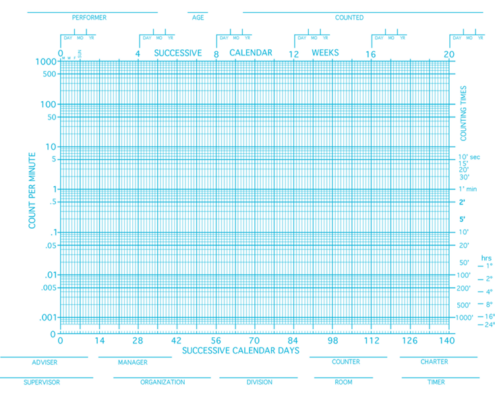
Design a site like this with WordPress.com
Get started